Blink, and you might miss it.
iPods? Gone. Tamagotchis? Collecting dust. Those weird fish pedicures? Nowhere to be found. Some things don’t go out with a bang—they just quietly slip away, fading from memory until someone brings them up, and suddenly, it’s like stepping back in time.
Redditors shared these and more that slowly disappeared over the years. See how many you forgot ever existed.
#1

Politicians resigning after getting caught doing something bad.
#2
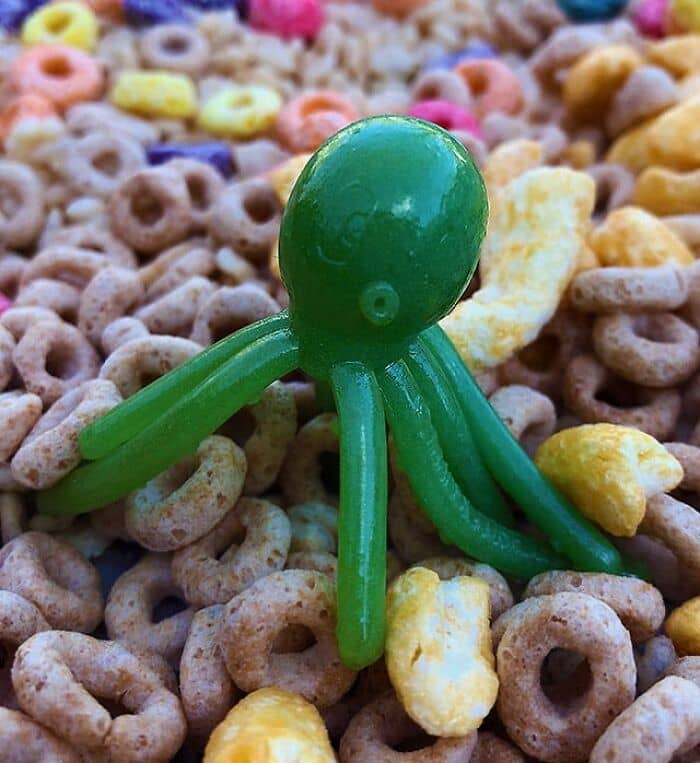
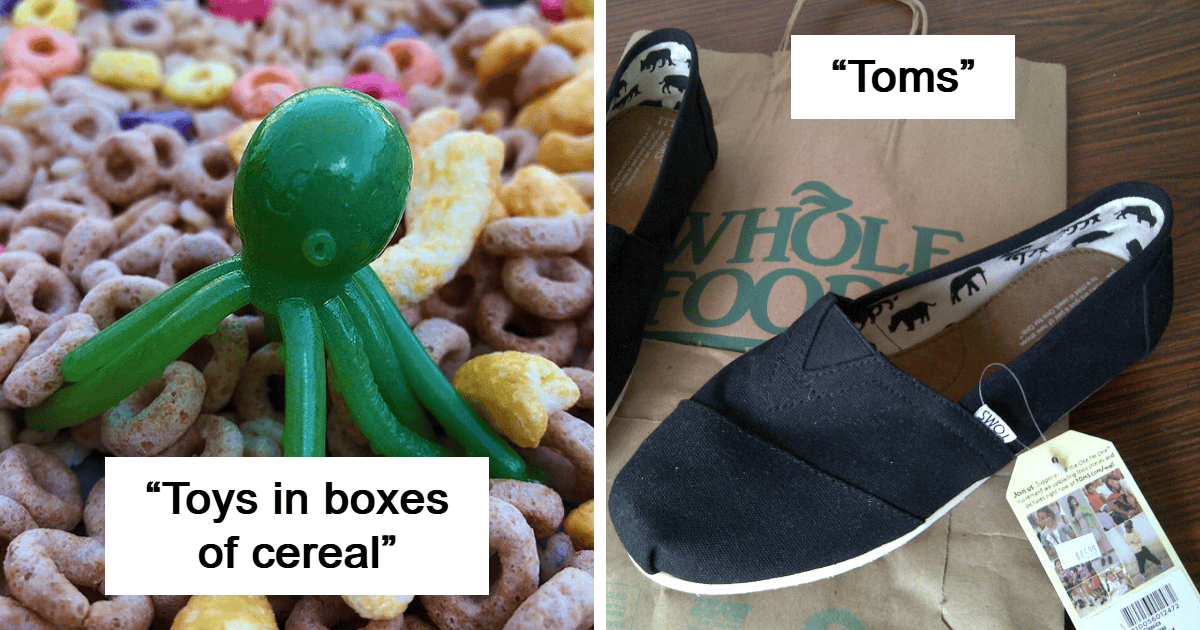
Toys in boxes of cereal.
#3

Songs as ringtones.
I used to spend ages picking my favourite bit of my favourite song as my ringtone.
It’s hard not to feel nostalgic when looking back at these items and experiences. At least for me. Especially the analogue objects that defined an era when the internet wasn’t an all-consuming, indispensable part of daily life. Things like music players or cheap, pirated DVDs, which were sold on every corner in Ukraine when I was a kid because licensed alternatives were scarce and expensive.
But reflecting on the past also makes me wonder about what’s ahead. What everyday essentials we rely on now will disappear in the next 20 years or even turn into sought-after collectibles? Will future generations chase after an iPhone 16 the way mine does 90s camcorders or Japanese film cameras?
Maybe, maybe not. But one thing is certain—nostalgia has a lasting influence.
#4

Potpourri. I swear it was in everyone’s house when I was a kid but I haven’t seen any in in about 15 years.
#5
Those strange pictures where if you looked at them in a different way, a 3D image of some s****y zebra popped out at you. I remember going into a shop with my mum looking at them and we came out with headaches. What were those f*****g pictures called?
#6

Public concern about the Panama Papers and tax evasion.
“Nostalgia is big business,” Christina Goulding, Professor of Marketing at Birmingham Business School, tells We. “More people are looking to items from the past for a number of different reasons—see the 1970s electronic gaming revival as an example. For some, they offer a connection to an earlier time and a sense of continuity; for others, they are a reaction against an increasingly digitalized way of living, among many other factors.”
While young people have traditionally been seen as the least likely to feel nostalgic, Goulding’s experience suggests otherwise. Some research even indicates that Gen Z is currently the most nostalgic generation, with Millennials following closely behind.
“I supervised an MSc student’s dissertation which looked at young people’s use of cameras from the 1930s–1970s. For them, these represented a more authentic experience which involved skill (in developing the pictures), anticipation (of the outcome), and aesthetic appreciation and pride in the end product,” said Goulding.
“These consumers reject the instant gratification of digital photography and the technological manipulation of the image. They want the physical and time-consuming engagement with the whole process. So, it does raise questions about assumptions that Gen Z are a homogenous group with a need for immediate gratification.”
#7

Charges against prince Andrew.
#8

Affordable housing
Affordable Energy
Sub 8-hour ambulances
Covid.
#9
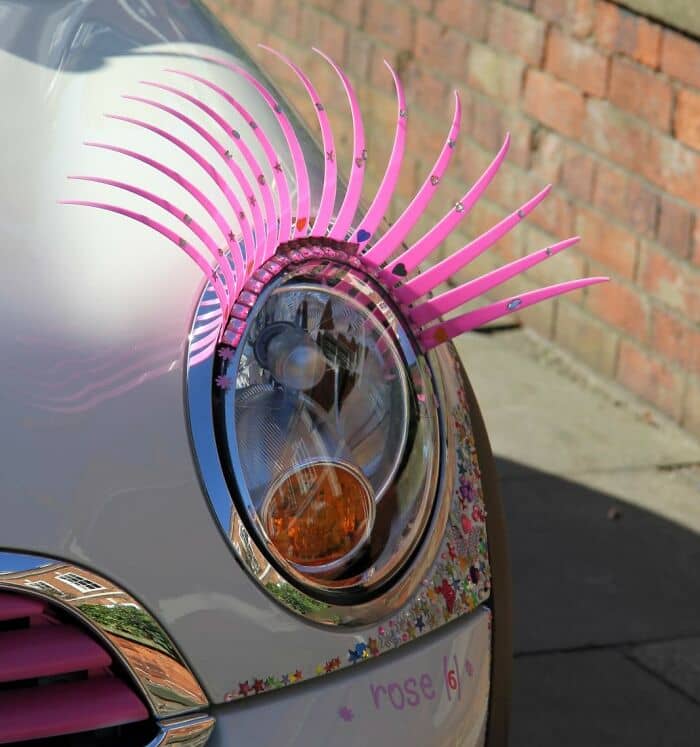
It’s been a while since I’ve seen eyelashes on a car.
What’s interesting is that my reaction—contemplating the future while reflecting on the past or present—is far from unique.
Last year, Christina Goulding introduced the concept of mellostalgia in her research, a term she coined to describe the opposite of nostalgia. While nostalgia is about longing for the past, mellostalgia is about looking forward to the future with anticipation, shaped by experiences in the present. The word comes from the Greek mellon (meaning “future”) and algia (meaning “longing”), capturing a proactive and positive emotion where people intentionally create moments they’ll later look back on fondly.
In her study, Goulding explored mellostalgia by observing and interviewing visitors at Port Isaac, the real-life filming location of the British TV drama Doc Martin, which follows Dr. Martin Ellingham, a grumpy doctor who moves from London to a small Cornish village (fictional Port Wenn) after developing a fear of blood, forcing him to give up surgery. The series presents an idyllic, close-knit community with little crime—a stark contrast to the fast-paced, impersonal nature of city life.
For many visitors, the show’s setting wasn’t just something to admire. It inspired them to imagine their own future experiences. Some saw it as a vision of retirement in a peaceful village, while others sought to create travel memories they could later cherish. In other words, as Goulding puts it, they were “looking forward to looking back.”
#10

Spontaneous human combustion.
#11
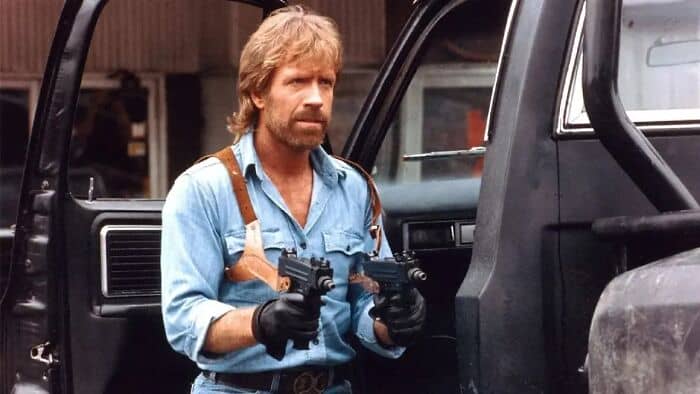
Chuck Norris jokes.
#12
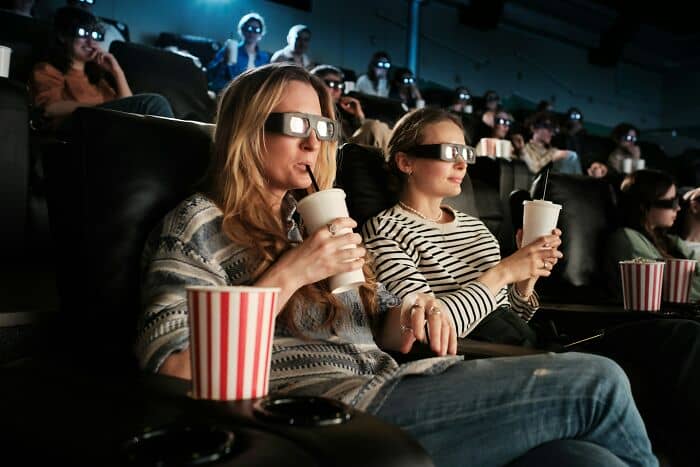
3D this and 3D that.
#13
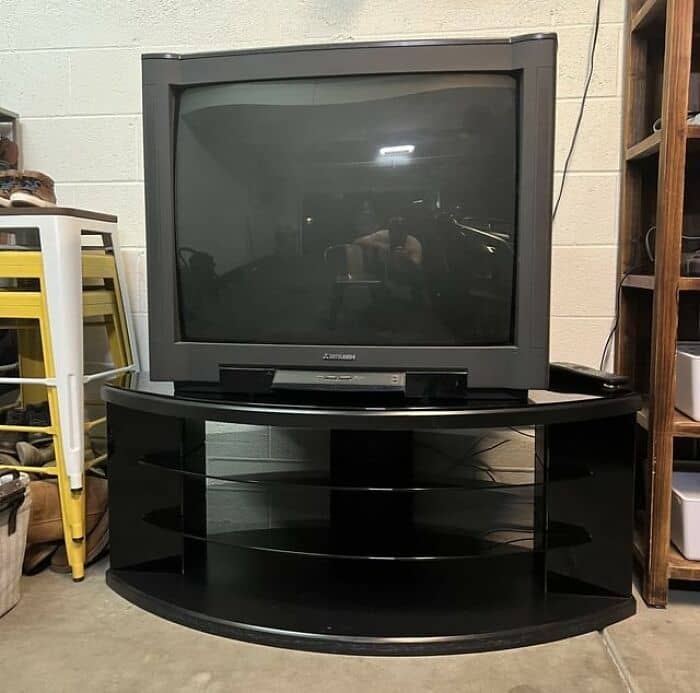
Those black glass TV stands that had us all under a chokehold at one point in the late 2000s.
#14
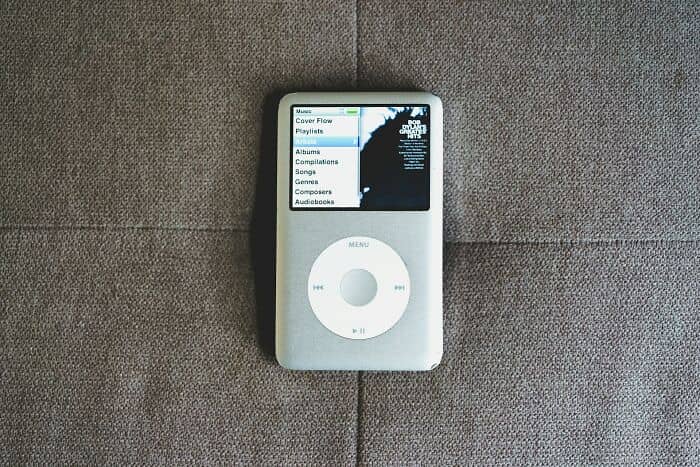
IPods. Only actually realised recently they stopped making the big ones all the way back in 2014, then the shuffles and nanos is 2017 and then last year they stopped making the touch. It was obvious it was going to happen because we all use our phones for music now but tell someone 15 years ago that Apple would stop making iPods and they would think you were crazy.
tldr: Apple stopped making iPods, nobody realised.
#15
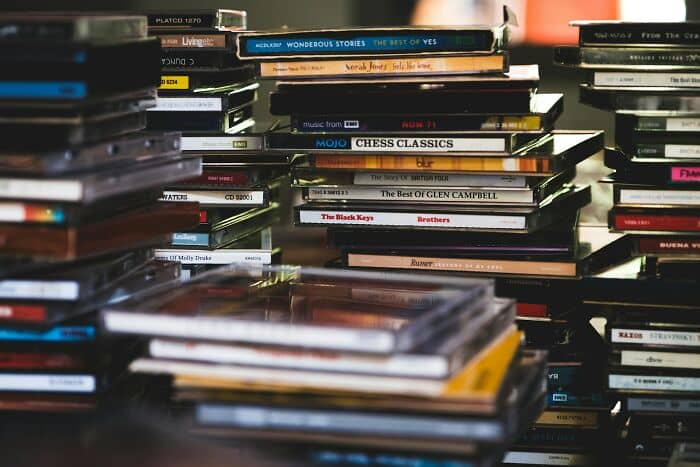
Pirate DVD sellers in car parks.
#16
Fidget Spinners.
#17
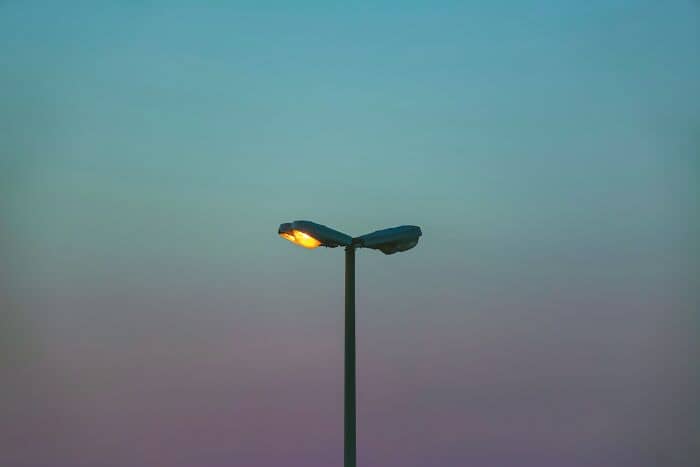
Orange streetlights are vanishing so quickly round here. The new LED jobs make a huge difference to the feel of the UK at night I think.
#18
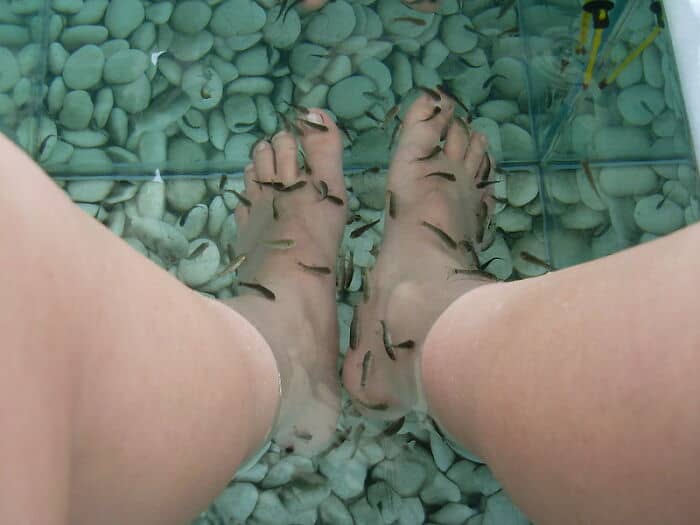
Fish pedicures.
#19
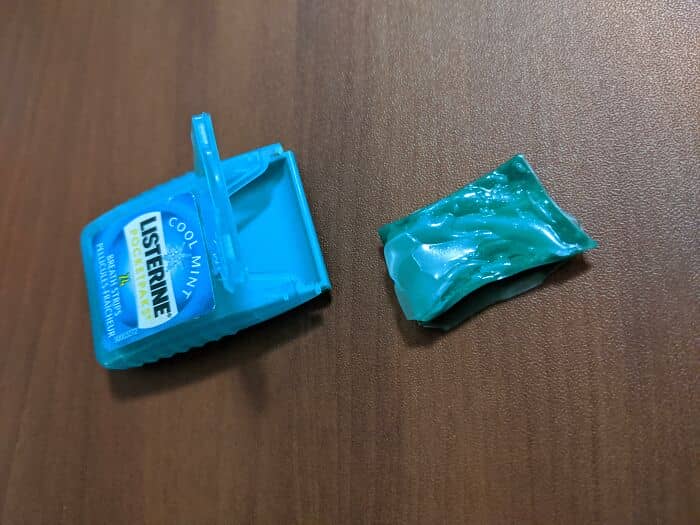
Those little minty strips you used to put on your tongue to dissolve.
#20

Google+. I remember lots of hype about it being “exclusive” and having to be invited by someone already on it or something, and then… It kind of just faded away.
#21
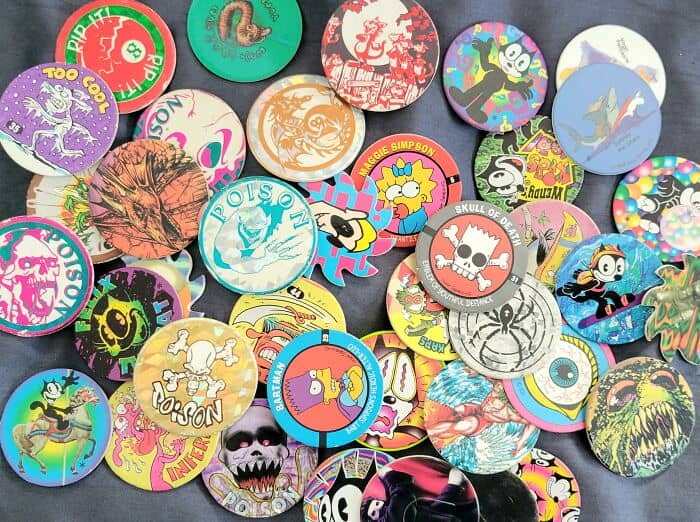
This will probably age me horrifically but Pogs, I still have mine.
#22
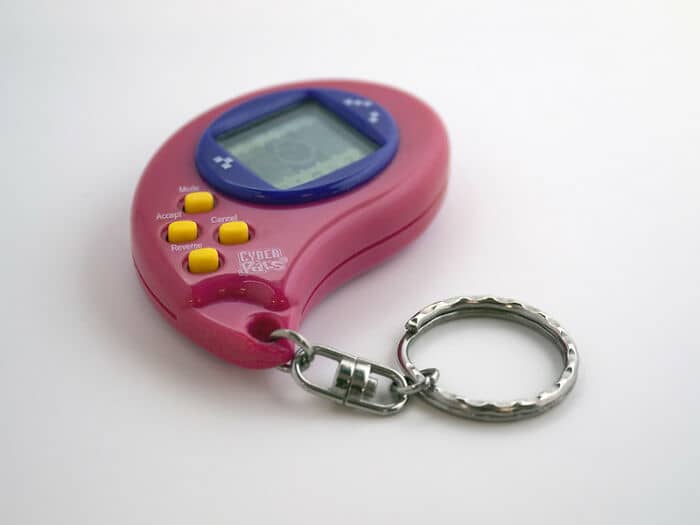
Tamagotchi’s.
#23

NHS dentist.
#24
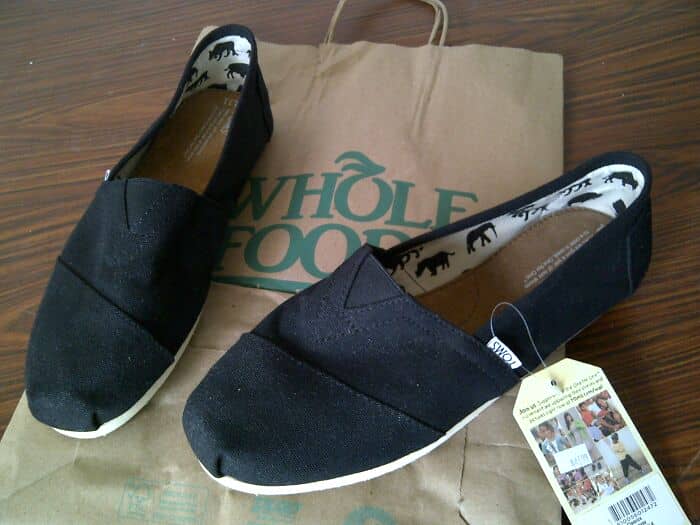
Toms, those little canvas shoes that were in for about three weeks in the early 2010s.
#25
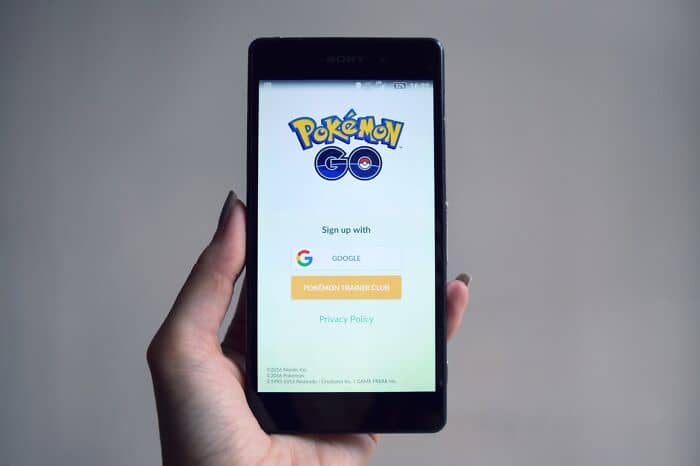
Pokemon go.
#26
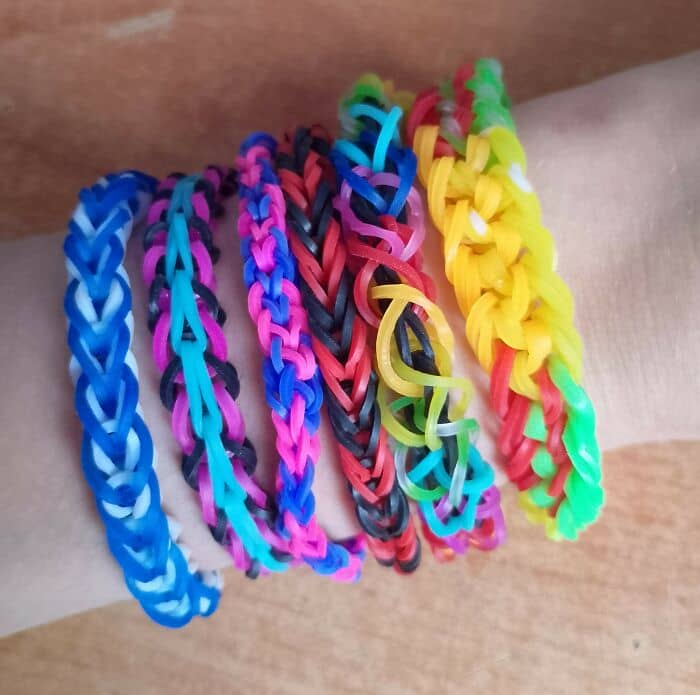
Loom bands.
#27

Sausage, egg and cheese bagels from McDonalds.
#28
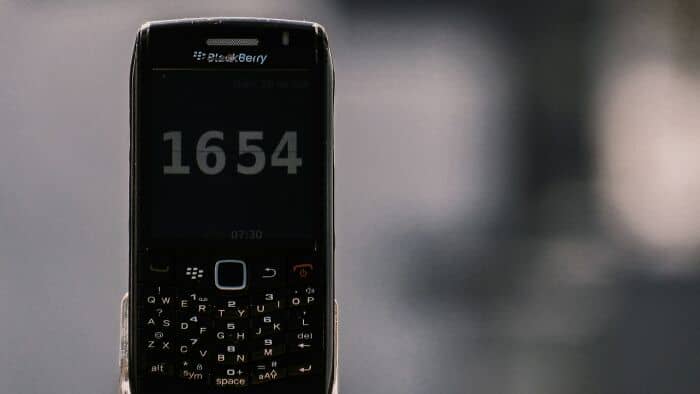
Blackberry phones, various alcoholic drinks (addlestones for example), FM radio.
#29
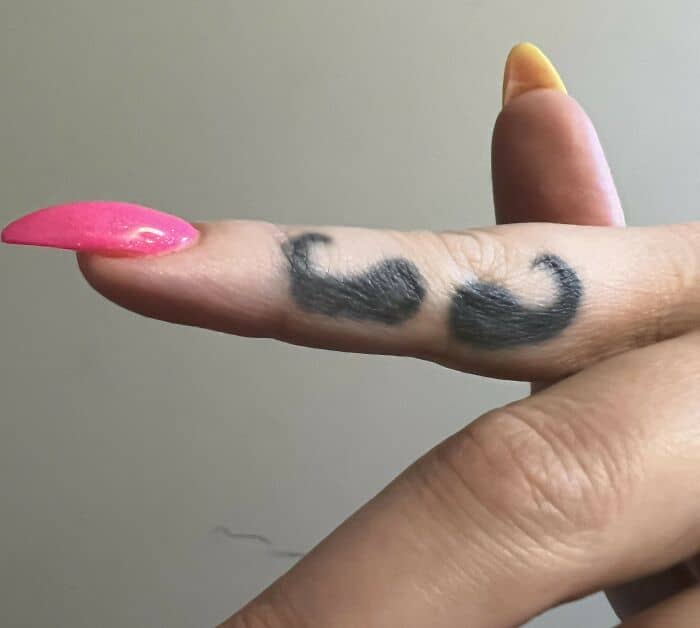
Those little finger moustache tattoos.
#30
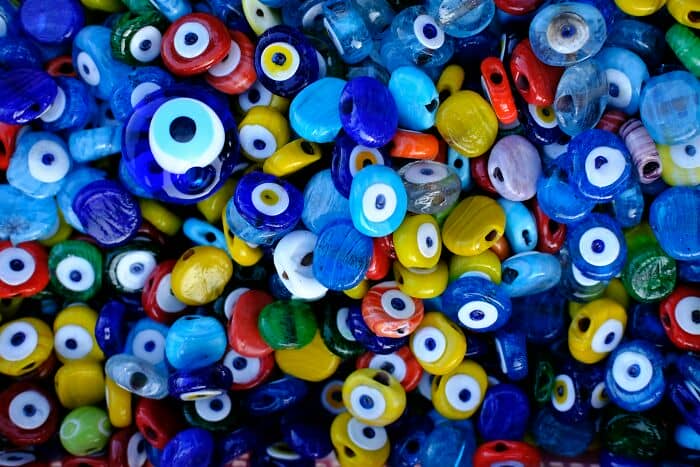
Those glass beads aunties and grandmas used to keep in random bowls around the house.
#31

Free cereal Bowls in boxes of coco pops.
#32
Swine flu was an extremely hot topic for a brief while.
#33
Computer desks that form an L-shape in the corner of the room, with a slide out shelf for the keyboard.
#34
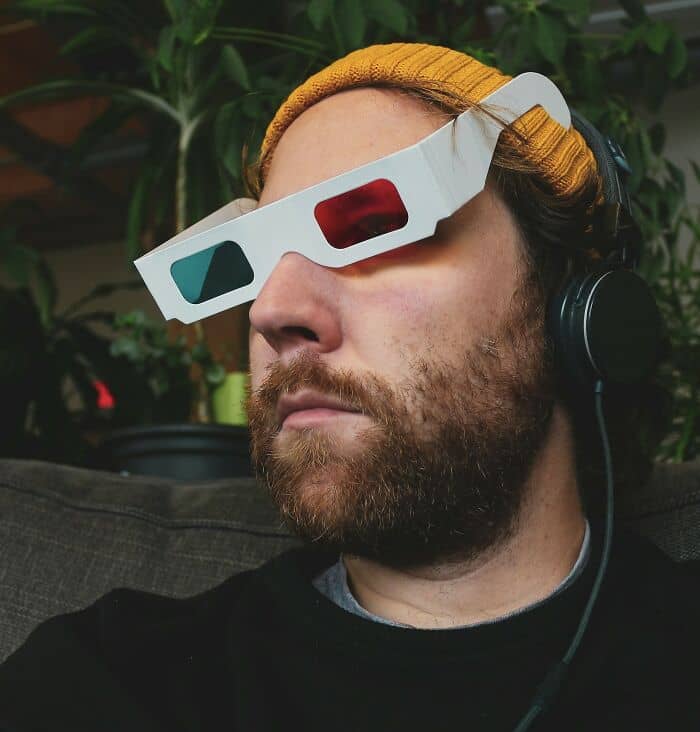
3D TV, especially football on sky.
#35

Monkey pox, we were all going to catch that for a while, now it’s never mentioned! The media were loving it, it was like the new COVID for them.
#36
The right to roam and camp on dartmoor. Last place in England it’s allowed. Admittedly this may not be all of dartmoor (yet) but is a sad day, and likely to be the start of the end for hiking and camping for free in England (imo).
#37
Emo haircuts.
#38
Track and trace.
#39
Painting rocks and hiding them for people to find, then hide again.
#40
Those weird late night TV shows where Brian from Big Brother would ask a seemingly really simple question but the people calling in would always get them wrong.
I think they got banned because the phone lines were mega premium rate and the whole thing was a fix.
#41

Orange (the mobile network provider).
#42
What happened to Sunny D? And those drinks in the plastic bottles you had to twist the tops off.
#43

Mobile games.
Things like Candy Crush, Farmville and that word game that was all over social media for about 10 minutes.
#44
Those highstreet milkshake shops where you could basically get any sweet/chocolate bar/confection made into an ice cream milkshake.
#45
Lads mags like zoo and nuts magazines.
#46
Milkyway crisp rolls.
#47
Might be wrong but theme parks? Seemed to be super popular among young people when I was around 14 but after covid barely hear of Chessington again.
#48
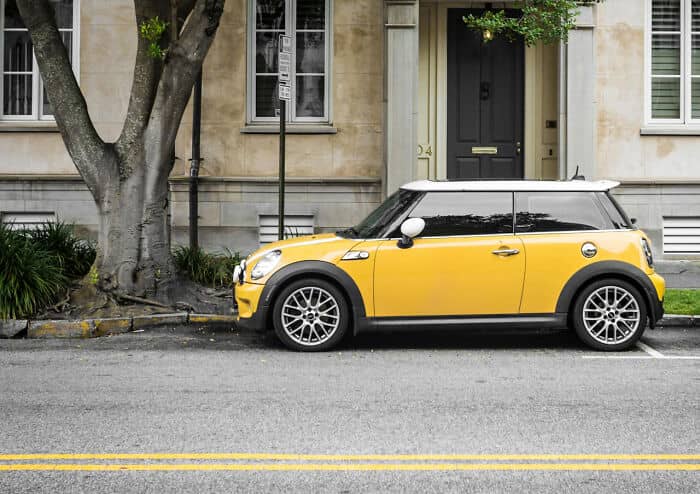
Buttons on mobile phones.
Brown/yellow coloured cars.
Big pet dogs.
New build bungalows and maisonettes.
Front lawns.
Moustaches.
Using landline phones.
Red ants.
#49
Reasonable prices for camera kit and darkroom kit now even 2nd hand is far too expensive to buy nowadays.
The pro kit costing £3k and up ok I do want one set that will cost me £10k z9 and 2 lenses. On film days that would have been around £1200-1500.