While painful, regret can also be a motivator for learning and growth, encouraging us to avoid repeating past mistakes and make better decisions in the future. We guess that’s why self-help author Debbie Ford once said, “Pain can be our greatest teacher.”
Someone on the web asked hospital workers, “What regrets do you hear from dying patients?”, and folks who’ve been there in people’s last moments shared the words that hit them the hardest. Here’s a list of some of their most profound responses.
More info: Reddit
#1
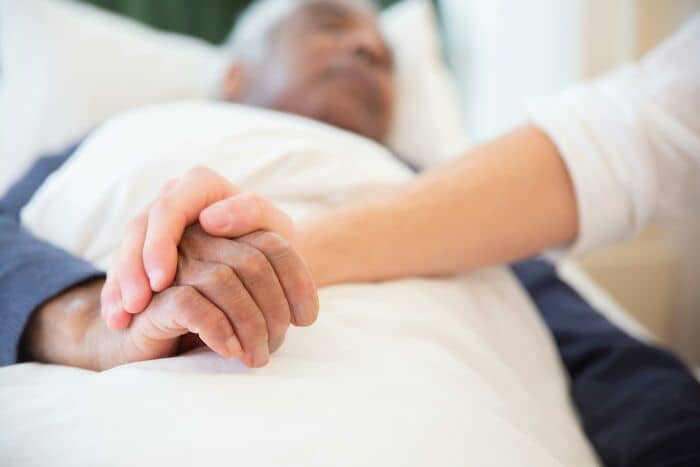
Some people just want you to let them go. I had a man with terminal cancer break down crying after his daughters left the room because they wanted him to “keep fighting” and he just wanted to rest and pass peacefully.
Learn when to let go.
#2

My mom did home health and hospice. My step dad was very a*****e and my mom would take me to work with her to try and protect me. She didn’t want to leave him due to religious beliefs. That’s a different story.
There was an old man. I’d play cards with him. We’d talk about working on the farm we had. He was a nice guy. He figured out I was being physically abused. His health started declining and he couldn’t play cards or get out of bed. The last time I saw him. He said he was sorry he wasn’t younger and that he couldn’t help me. Almost 25yrs ago and I still remember him.
#3

I was a hospice nurse. One of my elderly patients had skin cancer, a huge malignant melanoma on the side of his neck that was growing rapidly. He had been a farmer all his life and never married. One night we were talking and I asked him if there was anything he wished he had done differently in his life, and he thought about it a minute and said he wished he had worn a hat when he was farming. I wish he did too.
We reached out to therapist Dr. Tirrell De Gannes from the Thriving Center of Psychology to ask him why so many people only confront their deepest regrets at the end of their lives, and what we can do to recognize and address them sooner. He had this to say, “The main reasons that many people only confront their deepest regrets late are they live a life of routine that does not allow for backtracking and the fear of making a mistake in life is greater than most fears, but not the fear of death.”
“Every day, week, and month we live our lives doing roughly the same things and find ourselves at the end of our lives without a second thought and that leads to many regrets and missed opportunities. Many people fear that making the wrong decision in life will lead them to discomfort or worse but when you are sure you’re going to die, that’s when the average person reflects on the life decisions that got them through to that point, often leading to acknowledging regrets,” De Gannes added.
#4

I worked in long term care for 12 years. I remember a married couple that shared a room. She had cancer and kidney failure. I was helping her eat lunch one day with her husband sitting there with us. She looked like death but her husband looked at her then at me and said have you ever seen a more beautiful woman? I had to leave and go to the bathroom and cry. I cried for days every time I thought of what he said. I thought I would never know what it was like to be loved like that. I had been divorced for years. I couldn’t even tell the story without tearing up.
Footnote….I was divorced 23 years when I met Rod. Been together for 11 years. I know that love now. It’s never too late.
#5

My grandmother used to be a nurse and she would say “I’ve seen a lot of people through their last days and heard a lot of regrets, but I have never heard anyone coming up to the end wishing they had spent more time working.”.
#6
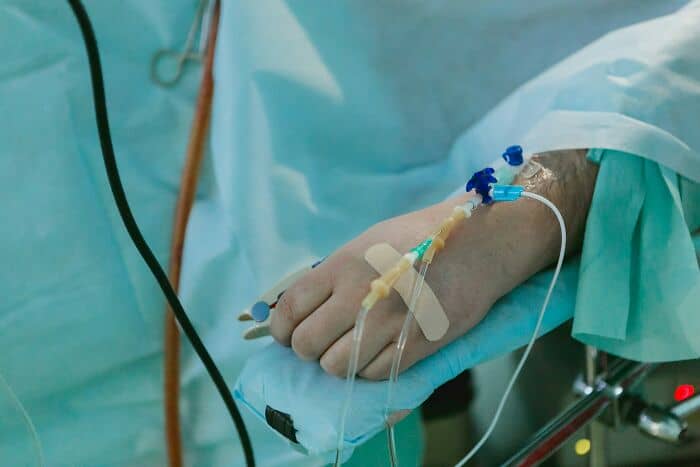
That her son wouldn’t put her out of her misery. She only said it once but I hope I’ll have the opportunity to be a euthanasia nurse one of these days. The way we are forced drag out death for those who are of sound mind and in unbearable pain is f*****g cruel.
De Gannes says, in terms of recognizing and addressing our regrets sooner, the recognition of regrets requires either a break from the routine, or added reflection points in the routine. This means going on vacations, using your sick days, asking someone out, saying yes to an event you weren’t planning on going to, or at least scheduling one day a week where you assess if you’re happy with your life and make changes according to your answer.
“In addition, we as people need to overcome the idea of making the right choice and instead accept that whatever choice we make for our lives is correct based on the knowledge we have at the time. Take the risk – the regret of not knowing is worse than knowing and moving on,” concluded De Gannes.
#7
He wished he had been a better father to his daughter. He wished they had reconnected. His dementia prevented him from remembering they had reconnected years before and that she visited often.
I wish I could have made him aware that he had accomplished his last wish. But he died not really understanding that.
#8

This was a weird one for me and actually apropos for my current life. I still think about her. Happened maybe 6-7 years ago.
Older 70’s female with hx of breast cancer. In ICU for sepsis I believe. I talked to her and she mentioned she was widowed. I gave my condolences and stated “That’s hard, I’m sorry about your loss. I imagine you miss him.” To my surprise she told me “No, actually I don’t. I was relieved when he died. I was never happy with him. I didn’t leave him because that’s not what we did back in the day. So here I wasted many years with a man who didn’t treat me well, and now I have cancer.”
Oof. Life lesson folks.
#9

Paramedic but close enough.
Made a run on a woman in her 30’s for shortness of breath. Her and her boyfriend had just moved into an apartment together. They were fighting over something trivial, which room to unpack first or something. He thought she was just being dramatic. We transported, she never made it. Went from awake and talking to unresponsive and asystolic (no cardiac activity) in a matter of seconds.
They were so caught up in a little argument that they never said goodbye. They never told each other they loved them.
She didn’t have any last words. And honestly that’s even worse.
#10
I worked as an oncology nurse right out of nursing school. I was barely 21 years old. Had a patient about my age who was dying of lung cancer. A few hours before he died I sat with him and he was telling me how much he wished that he would have had more time-to maybe fall in love, marry, have kids. He was so young. He asked me to call his parents and he died shortly after they arrived. It was awful. His regrets were more about the life not lived. Many older patients had some interesting life stories and most wanted to tell them before they died. Most were at peace with the life they lived. Many regretted working so much and not spending enough time with family.
Regret is one of the heaviest emotions we carry. Whether it’s missed opportunities, words left unsaid, or choices we wish we could change, regret can haunt us. But life doesn’t have to be filled with “what ifs.” By living intentionally and learning how to process past regrets, we can create a more fulfilling future.
In her article for Psychology Today, Tchiki Davis (Ph.D.) writes that a recent meta-analytic study aimed to look across several studies on regret to see what the most common causes of regret are. The research showed that Americans’ six biggest regrets involve education, career, romance, parenting, self-improvement, and leisure.
#11
He was one of my first patients as a nursing student, named Frank. He was 92. After knowing him a few days, he disclosed to me his regret was outliving everyone he loved.. that he and his wife hadn’t had kids, and he was “all that was left” and that he wanted to see his wife again. I wasn’t sure how to respond , so I just listened… and it made me realize how living so long isn’t great if everyone you love is gone.
He passed away later that week, and while I distinctly recall some of my classmates being upset, I felt relief for him. I knew he was where he wanted to be. I’ve had many patients since, but you tend to remember your first ones.
Other than that, ditto what everyone’s saying, more time with family/loved ones, wish they wasted less time with work or other b******t, etc.
#12

I was a new nurse, flying solo. We got a call for an incoming trauma, woman in her 50’s involved in a multi-car accident. We were all ready at the ambulance bay, unsure of the woman’s complete condition.
She rolled in breathing on her own, but very labored with asymmetrical chest expansion. She was profusely bleeding, had multiple deep lacerations, pupils blown, debris covering most of her, etc. Her vitals were unstable, she was circling the drain, we knew she was on the verge of coding… I was standing near her head, ready to assist in supporting her airway but also providing comfort and doing my best to calm her.
The woman looked me directly in the eyes and in a hoarse, labored voice stated, “I was angry, I told her I was disappointed in her.” She began to cry, her vitals plummeted. “I’m sorry,” was the last thing she said before her heart stopped. We coded her, intubated her, performed round after round of ACLS, only to eventually have to call time of death.
I still see her face at times, her eyes filled with more emotional pain than physical. It took much longer and was so much harder to write this than I thought it would be….
#13

Not taking their sick leave and PTOs. Grinding their whole life. Not being there for loved ones.
According to Davis, common regrets include missed educational opportunities, failure to seize the moment, not spending enough time with friends and family, missed romantic opportunities, rushing into something too soon, and unwise romantic relationships.
Research shows that action (vs. inaction) produces more regret in the short term. For example, we might feel regret for saying something embarrassing or agreeing to do an annoying task for someone else. But these experiences of regret pass rather quickly.
#14
I’ve worked in long term care for over a decade. I can’t speak for the young, but most often old people regret the things they DIDN’T do.
#15

I’ve been a nurse for 14 years, the one thing that still hits me is a 14year old boy fighting cancer, did the transplant but died fighting the side-effects of that transplant. I’ve nursed him for almost a year and we have grown very close. The day he went away to his home country in the US I told him I am his big momma and when he returned, we would be together doing many plans. His dream was to be a doctor, so I told him I would quit my job and be his nurse the moment he becomes a Doctor. On the night before he and his family left, my husband(chef) cooked for the family and all the nurses his favourite foods. My husband taught my patient on how to cook the recipes. My patient also loves to cook. We had dinner together and I was crying my eyes out afterwards. He is like a second son to me. His last words to me are, “I will make sure to meet you again.” The day I found out from his mother he had passed away, I was devastated.
#16
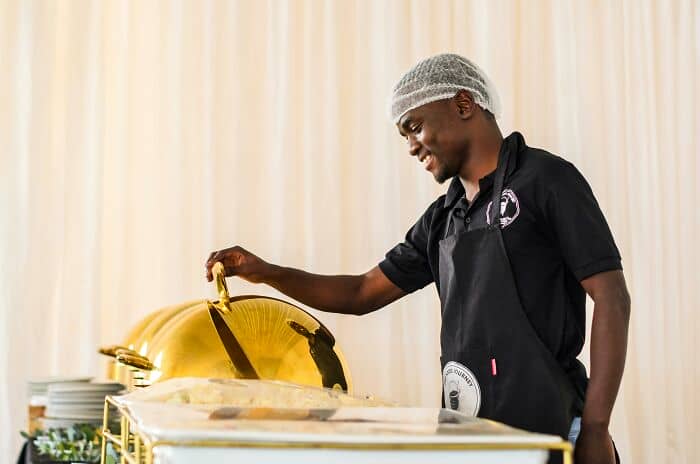
I work in a hospital delivering trays to patients. I’ve had multiple patients that have requested a final meal, only to be gone by the time I get it up to them. I haven’t heard their last words, but I think seeing what their last meal would have been says a lot on its own.
EDIT: Thank you for the award. I have no idea what this means but it made my day.
Those in the know agree the things we’re most likely to regret are actually the things we didn’t do. Regrets of inaction are stronger and persist longer than regrets of action. So, if we feel we “should have taken that trip,” or “should have gone to college,” these regrets likely last longer than regrets of having done something we might rather have not done.
In their article for PsychCentral, Sarah Barkley and Carrie Byrd write that living with regret can impact your mental health in several ways, including depression and lower life satisfaction, increased anxiety, lower self-esteem and confidence, a lack of motivation, and a feeling of hopelessness.
#17

I don’t know what to make of this. But I worked patient transportation for about 4 years so I got to encounter a lot of people.
The number one thing I always heard was “don’t get old”. It felt like I’d hear it at least a few times a week if not more often.
I won’t say much more but hearing that from dozens of different people with different backgrounds who all end up in the same situation, it makes ya think.
#18

I work in a hospital. Whenever someone is at the end of their life, they always just want to be with their loved ones. Any regrets I’ve heard is always family related… They wanted more time with the people they love.
Most people are at peace with things though.
People also tend to wish they took their health seriously.
#19

In the ER it’s not something most people see coming when they arrive but it’s usually the same regret when they are coherent. They all wish their family was there (which sucks even more lately with covid since family can’t come in initially).
Or they cry out for their SO in a panic. It’s gotten to the point recently where we tell them “”SO” is right here with you”. The look of relief on people’s faces just hearing that gets me everytime. People just want to not be alone at the end.
The good news is that, if you’re living with regret and want to shake free from it, there are many ways to do it. In her article for VeryWellMind, Kendra Cherry writes that, while you can’t avoid regret, there are things that you can do to minimize these feelings or at least take the negativity out of them and turn your regrets into opportunities for growth.
Cherry suggests practicing self-acceptance, forgiving yourself, making amends for mistakes, and reframing your regret. In her article for Psyche, Jelena Kecmanovich says the content of your regrets can illuminate what matters most to you, so you can use your regrets to clarify your key values – what a useful way to turn your regret on its head!
#20

I use to work in a the respiratory ward of a hospital almost a decade ago. I was young and everything and occasionally took a puff of smoke from my friends when we were out drinking. Only a few off times tbh.
One of my patients held my hand one day, she was dying and out of breath and I was trying to just be there to calm her down and give some reassurance, she told me to never, ever smoke. She regretted smoking when young as now she is dying because of it. She hates smoking so badly because of all the damage. She described it as drowning, and said that when you are being choked to death and that sensation you are losing your breath is just absolutely terrifying and the worst.
Her words stuck with me, and in her final days we kept her as comfortable as we could as she struggled to breathe (with meds and everything). She passed not too long after but I wasn’t working that day.
Never forgot her advice.
Never took another puff.
Edit: thanks for my first award!!! 😊.
#21

I work in long term care. Majority male. A LOT of the men regret their marriage.
Also one patient had a psychotic breakdown in his 50’s. He’s in his mid 70’s/ hospice now and says his entire family haven’t talked to him since. All he knows is “words were said and I burned all my bridges.”
HAPPY THINGS HAPPEN TOO!
#22

“Not yet! I can’t die yet. I still have so much growing to do. I want to see my children and grandchildren grow up…”
I am a physician trainee who has done a decent amount of palliative care. I have been privileged to hear many stories and be part of many deaths, but I still can’t explain why it is that certain lines remain with me and hit me so much harder. The gentleman who told me the line above was in his late 60s-early 70s. It made me reflect on how I view patients in this age group – yes, much older than myself, but still with growing and living to do.
I also think of a woman in her 50s I met early on in my training. She and her female partner had never married – partly due to laws, partly because it had never seemed important. When she was diagnosed with metastatic pancreatic cancer, they regretted never making that step. I attended their small wedding in the hospital. She died a few days later.
By now you should have a handle on the nature of regret, how it can affect you, and a few of the ways you can start dealing with it. There’s no time like the present to rid yourself of even your deepest regrets, so don’t wait until it’s too late.
Do any of the regrets in this list resonate with you? Upvote the ones that made you think and feel free to leave a comment if you can relate!
#23
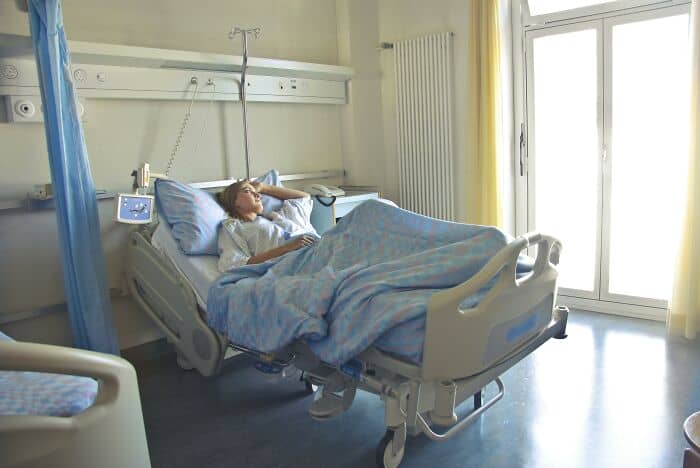
Being alone. Although the ones with family around them face different problems, the ones that have no one there in the end seem to have the toughest time.
#24
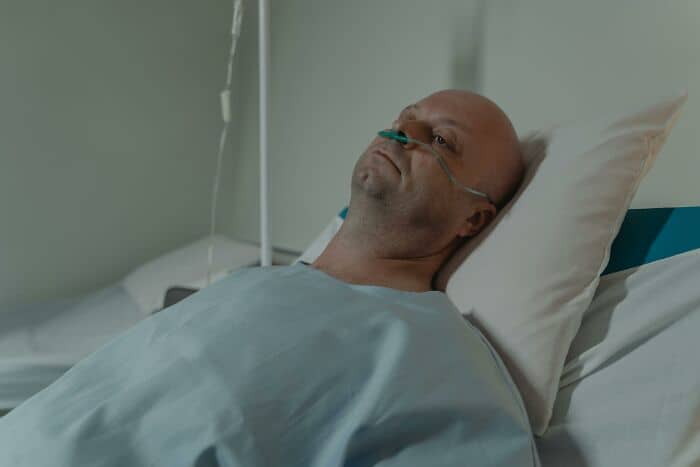
Ex-ICU nurse. I had a patient in his 40’s once die from AIDS related complications- at the end he developed an acute respiratory infection, and the time that I and my colleagues looked after him was during the span while he was acutely decompensating. We had to intubate but he quickly became comatous and passed away within a couple days despite all treatment.
He came from a religious family, but was estranged due to his homosexuality. He found religion again when he realized he was dying and it breaks my f*****g heart that he had convinced himself god was punishing him for being gay. Me and my colleagues tried our best, but his belief and his regret was a lifetime-deep, and our time with him was so short. I will never forget being at his bedside, he’s gasping for air, with him telling me desperately between breaths how this is his pumishment from god and he DESERVED it. He died before we had a chance to even help him I feel.
#25
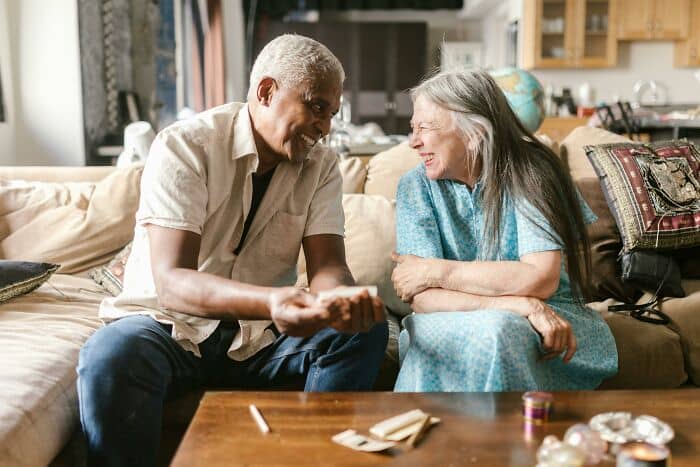
It always seems to be things people regret not doing (ex i wish i had gone to england) and regreting not spending time with the people they love the most. Remember to do what you love and dont do anything during the day that you will regret at night.
#26

That they hadn’t utilized hospice services sooner.